Online retail in Pakistan has grown faster than almost any other sector over the past three years, and 2026 is shaping up to be the most competitive year yet for e-commerce brands. Scaling an online store now requires more than a nice-looking website; it requires a dedicated digital marketing agency in Pakistan that understands conversion, retention, and paid acquisition together.
Why E-commerce Brands Need Specialized Marketing Support
Running ads without a conversion-optimized store wastes budget. Optimizing a store without traffic wastes potential. The brands that grow fastest treat marketing and site performance as one connected system rather than separate projects.
A results-focused Digital Marketing Agency in Pakistan coordinates paid search, paid social, email, and SEO so that every channel reinforces the others instead of competing for the same budget line.
The Core Channels Driving Pakistani E-commerce Sales
- Paid social advertising (Meta and TikTok remain dominant for impulse categories)
- Search engine optimization for high-intent product and category pages
- Email and SMS retention campaigns for repeat purchases
- Marketplace optimization on platforms like Daraz
- Influencer and affiliate partnerships for trust-building
Brands that rely on only one or two of these channels tend to plateau quickly once the initial audience is exhausted.
What Does the Data Say About Online Shopping Growth?
Global e-commerce data continues to show double-digit growth in emerging markets, and Pakistan is no exception. Independent market research, including figures tracked by Statista’s e-commerce market outlook, shows online retail consistently outpacing traditional retail growth worldwide, a trend local brands are increasingly capitalizing on.
That growth means more competitors entering every category every quarter, which raises the cost of standing still.
Channel Performance Comparison
| Channel | Best For | Typical ROI Timeline |
|---|---|---|
| Paid Social | New customer acquisition | Immediate to 1 month |
| SEO | Long-term, lower-cost traffic | 4-8 months |
| Email/SMS | Repeat purchase revenue | 1-2 months |
| Marketplace Ads | High-intent, ready-to-buy shoppers | Immediate |
Most successful stores run all four simultaneously, shifting budget toward whichever channel is currently most efficient.
Scaling Beyond the First 100 Orders
Early growth often comes from founder hustle and word of mouth. Scaling past that point requires systems: tracked attribution, tested creative, and a repeatable content calendar. A specialized Digital Marketing Agency in Rawalpindi can build exactly that kind of repeatable system for stores based in or shipping from the Punjab region.
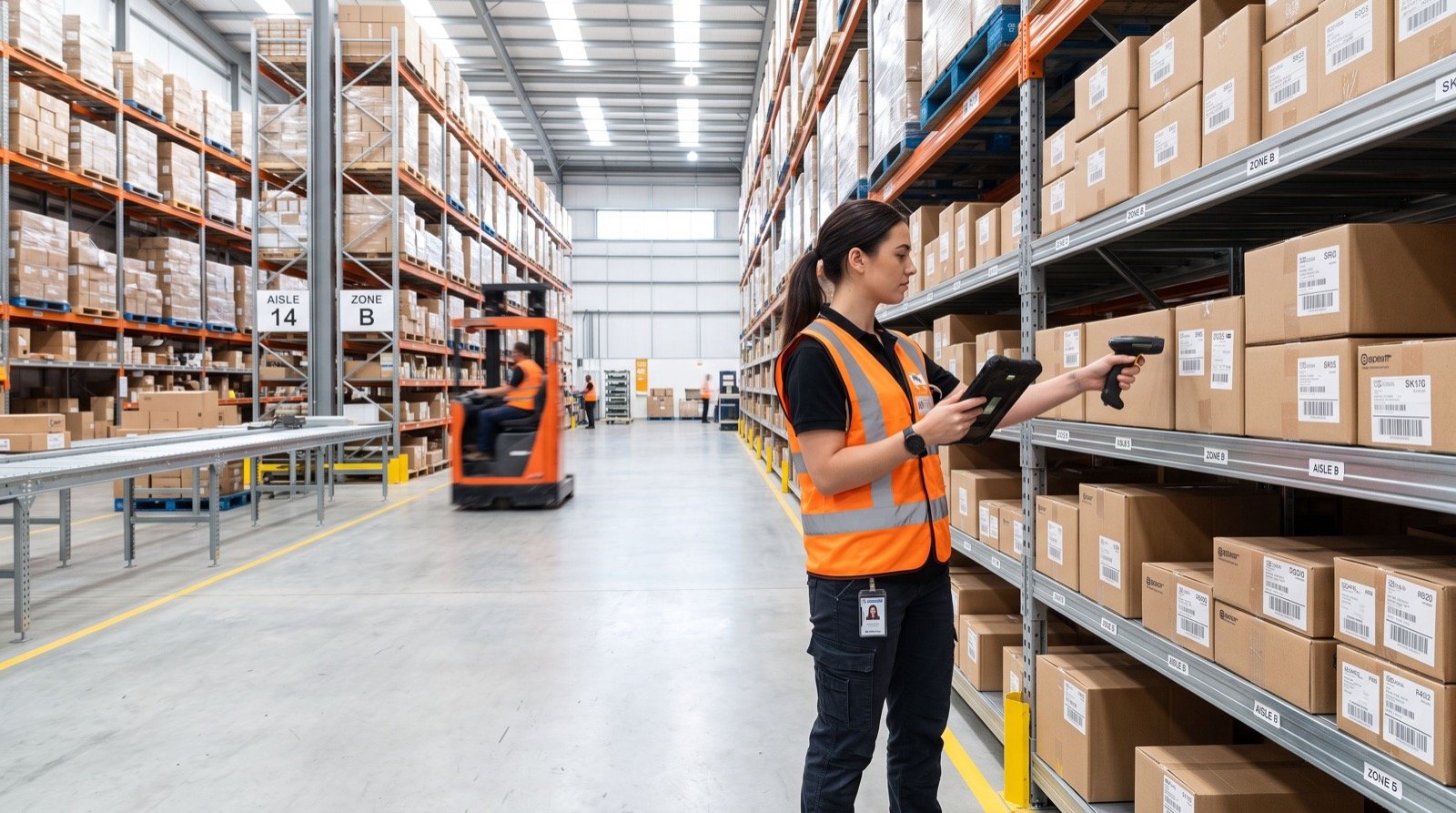
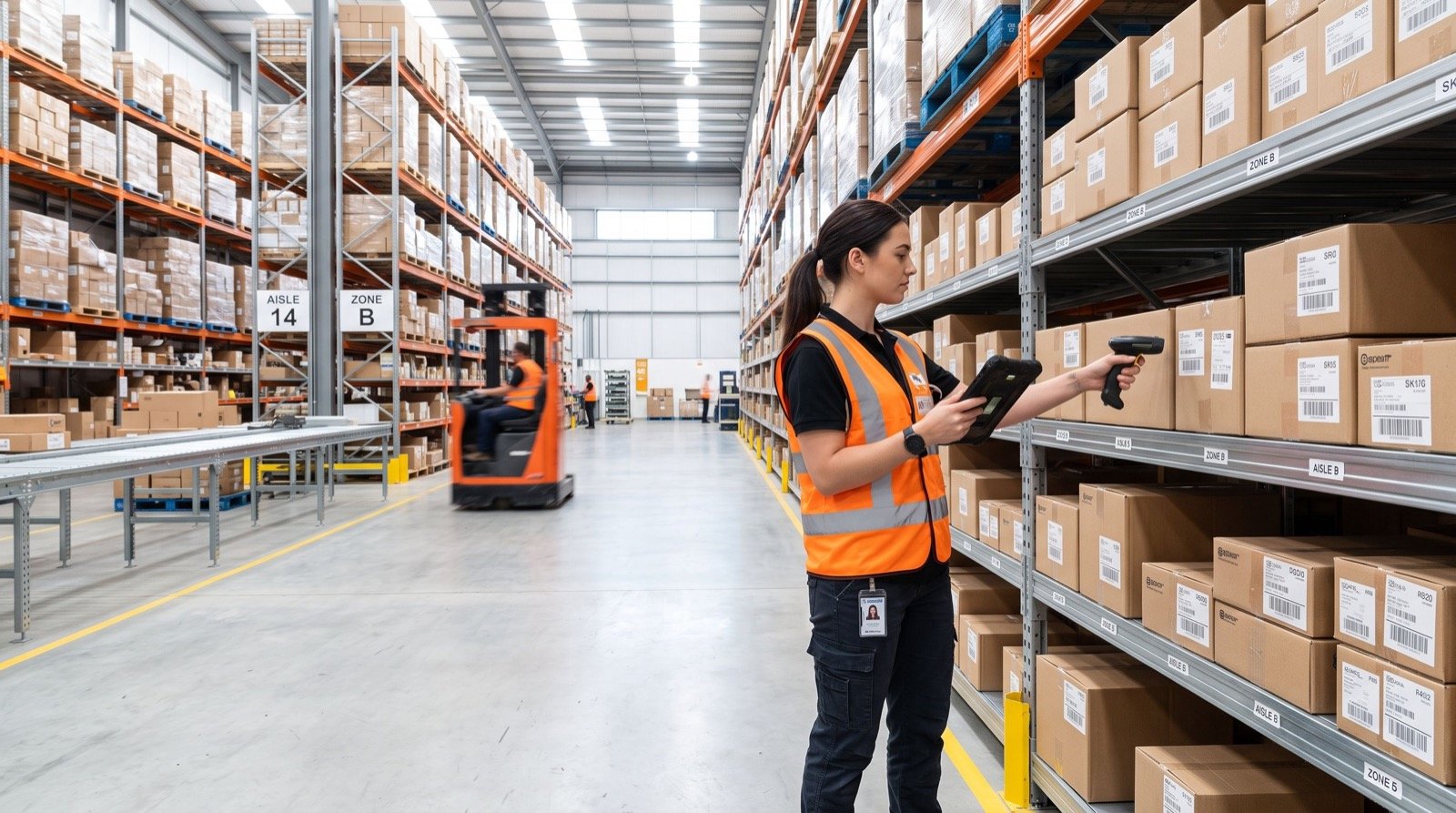
Operational reliability matters just as much as marketing creativity. Just as a cold-chain operator depends on reputable service experts to keep goods intact in transit, an e-commerce brand depends on dependable fulfillment and customer service to convert marketing clicks into repeat customers.
Common Mistakes That Stall Growth
- Spending the entire budget on one acquisition channel
- Ignoring cart abandonment and post-purchase email flows
- Launching ads before fixing a slow or confusing checkout
- Never testing product page copy or imagery
Fixing these issues often produces faster revenue gains than increasing ad spend alone.
Marketplace Dependence vs. an Independent Store
Many Pakistani sellers start on a marketplace because it offers instant traffic and built-in trust. That convenience comes at a cost: marketplaces control pricing visibility, charge rising commission fees, and limit how much brand relationship a seller can actually build with the customer.
An independent store, by contrast, takes longer to generate traffic but lets a brand own its customer data, email list, and pricing strategy completely. Many of the most resilient brands eventually run both in parallel, using the marketplace for volume and the independent store for margin and loyalty.
The right balance depends on category. High-consideration purchases with strong brand loyalty potential usually benefit most from independent-store investment, while commodity products often do better leaning on marketplace reach.
Customer Retention Metrics That Actually Matter
Acquiring a new customer in Pakistan’s competitive e-commerce market now costs significantly more than it did just two years ago, which makes retention the quiet driver of long-term profit.
- Repeat purchase rate within 90 days of first order
- Average order value trend over time, not just per transaction
- Email and SMS list growth rate month over month
- Customer lifetime value compared against acquisition cost
Brands that track these four numbers monthly can spot problems early, long before a slump shows up in overall revenue figures. A single strong retention metric can often offset a mediocre acquisition month entirely.
Creative Testing: The Underrated Growth Lever
Many brands set up a campaign once and let it run unchanged for months. The fastest-growing stores instead treat ad creative as a constant experiment, testing new angles, images, and copy on a regular cycle.
A simple testing rhythm, rotating two or three new creative variations every two weeks against the current best performer, usually surfaces meaningful performance gains that a static campaign would never find. Even small headline changes can shift click-through rate by a noticeable margin.
- Test one variable at a time (headline, image, or offer) for clean results
- Give each test enough budget to reach statistical significance before judging it
- Retire losing creative quickly rather than leaving it live out of habit
- Document what worked so future campaigns build on past learning
Seasonal Demand Planning for Pakistani Shoppers
Major shopping moments, including religious holidays, back-to-school periods, and end-of-year sales, drive disproportionate shares of annual e-commerce revenue in Pakistan. Brands that plan creative, inventory, and ad budget around these windows months in advance consistently outperform those that react at the last minute.
Building a simple 12-month promotional calendar, mapped against expected demand spikes, keeps marketing and operations aligned well before the busiest weeks of the year arrive.
Payment and Checkout Friction
A significant share of Pakistani online shoppers still prefer cash on delivery, but that preference comes with higher return and non-collection rates than prepaid orders. Offering a mix of payment options, with a small incentive for prepaid purchases, can meaningfully improve order completion economics.
Reducing checkout steps, showing delivery timelines clearly, and confirming orders quickly over SMS or WhatsApp all reduce the anxiety that causes shoppers to abandon a cart at the last moment.
Frequently Asked Questions
How much should an e-commerce brand budget for marketing in 2026?
Many growing stores allocate 10-20% of revenue to marketing, adjusting based on margin and customer lifetime value.
Is SEO worth it for an online store, or just ads?
Both matter. SEO reduces long-term dependence on rising ad costs, while ads provide the immediate traffic needed to generate reviews and data early on.
What’s the biggest mistake new online sellers make?
Treating marketing as a one-time launch activity instead of an ongoing, measured process that improves every month.
Final Thoughts
Winning in Pakistani e-commerce in 2026 means pairing strong fulfillment with a coordinated marketing strategy across paid, organic, and retention channels. Brands that invest in both sides of that equation consistently outgrow competitors who focus on traffic alone.