Frozen Storage in Jeddah: The 2026 Cold Chain Playbook
Jeddah is the Kingdom’s western gateway, a port city that feeds fresh and frozen goods into Makkah, Madinah, and beyond. For food importers, caterers, seafood traders, and grocery chains, dependable frozen storage in Jeddah keeps that flow moving without spoilage or waste. In 2026, with tourism and population both rising, cold chain capacity in the city has become a competitive advantage rather than a simple cost.
This playbook explains how frozen storage works, where chilled storage fits alongside it, and how to pick a facility that protects both your products and your margins. If your business depends on goods that must stay cold from port to plate, the details below are worth your time.
Why frozen storage in Jeddah drives the food trade
Jeddah Islamic Port handles a huge share of the Kingdom’s food imports. Seafood, poultry, red meat, and frozen desserts all arrive and need immediate deep cold holding before they move inland. Any gap in that chain risks spoilage within hours in the Red Sea heat.
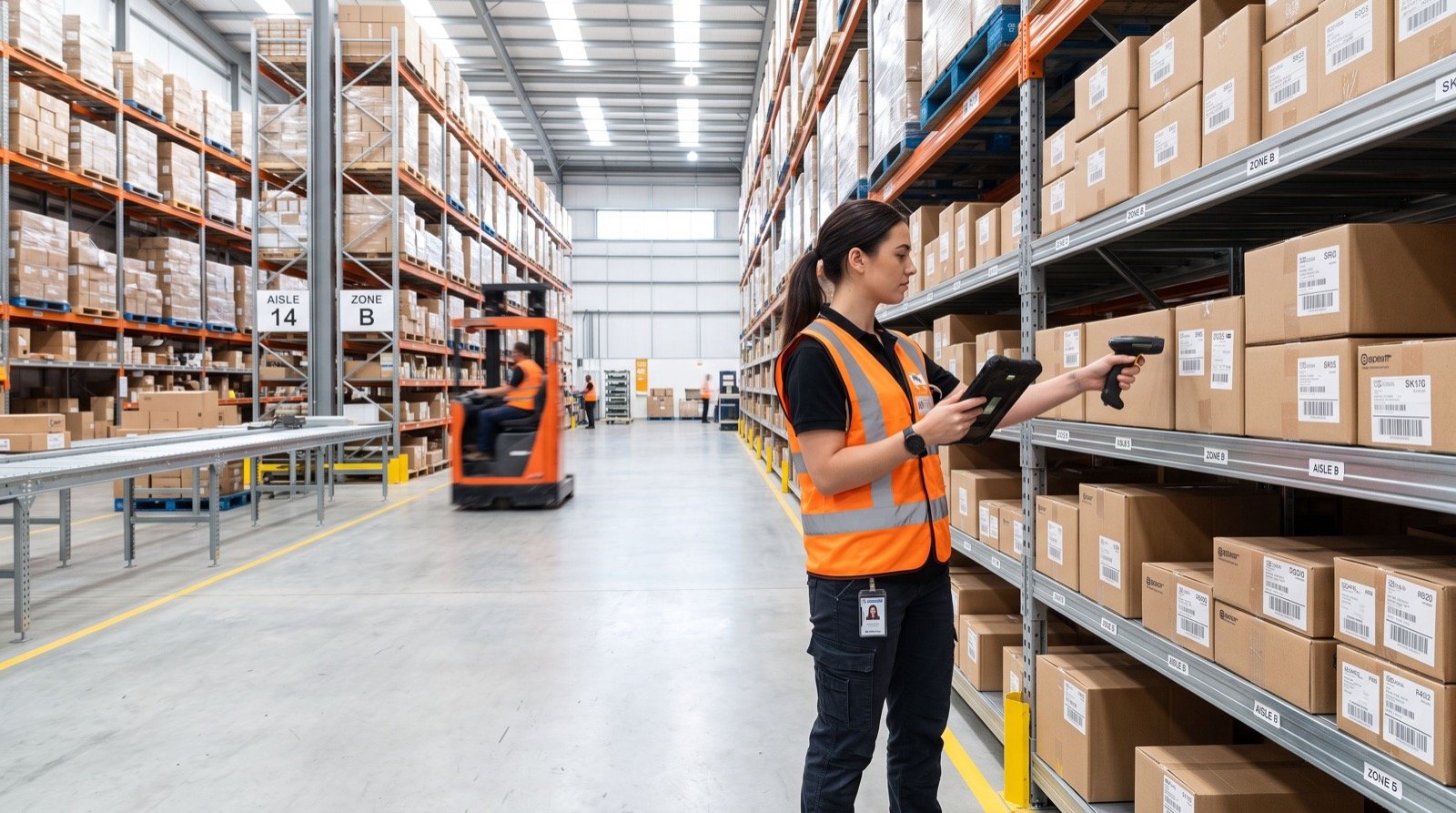
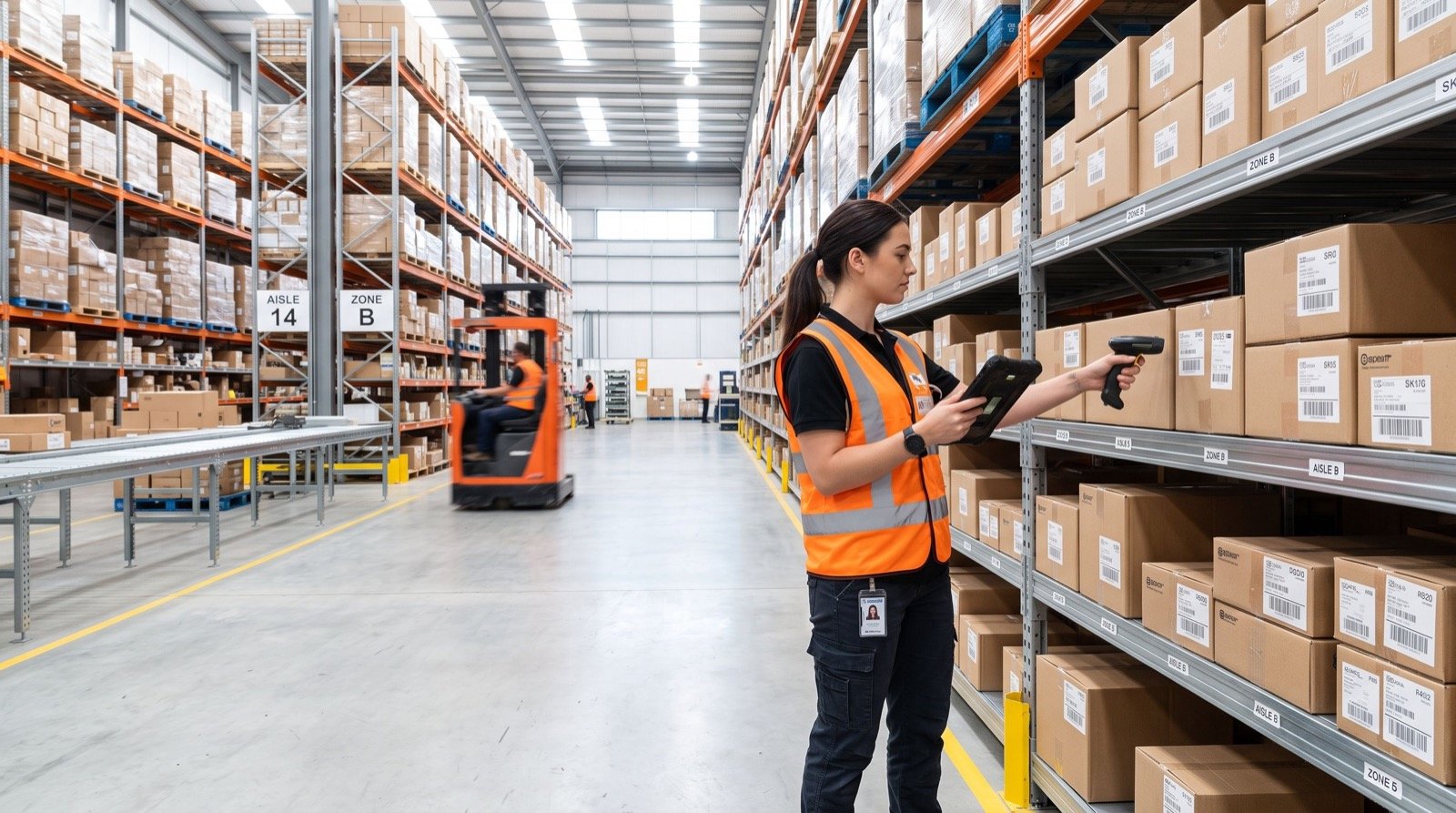
Professional facilities close that gap. Businesses that rely on Frozen Storage hold goods at deep sub zero temperatures with constant monitoring, which protects quality from the quay all the way to the final customer. During peak seasons such as Ramadan and Hajj, that reliable buffer becomes essential.
How cold is cold enough?
Frozen storage typically runs at or below minus 18 degrees Celsius, the internationally recognised threshold for safe long term freezing. Some products, such as certain seafood and ice cream, need even colder holding. Staying below the threshold stops bacterial growth and locks in texture and flavour.
Frozen and chilled: two halves of one chain
Few food businesses live in the frozen world alone. Fresh produce, dairy, and ready meals need cool but not frozen conditions, which is where chilled storage comes in. A smart operation separates the two so each product sits in its ideal climate.
Running frozen rooms alongside Chilled Storage in Jeddah under one provider streamlines the whole supply chain. One site handles deep frozen seafood and chilled dairy at the same time, cutting transport between locations and giving you a single, accountable partner.
A practical tip from the loading dock
Pre cool delivery vehicles before loading frozen goods, and load in fast, planned batches rather than one pallet at a time. Every minute a freezer door stays open lets warm air in and forces the system to work harder. An experienced local team plans loading windows to protect both temperature and energy cost.
Frozen vs chilled storage: a quick comparison
| Feature | Frozen Storage | Chilled Storage |
|---|---|---|
| Temperature | -18 C or below | 0 to 8 C |
| Best for | Seafood, meat, ice cream | Dairy, produce, ready meals |
| Shelf life | Months to over a year | Days to a few weeks |
| Energy demand | High | Moderate |
| Peak use | Bulk import holding | Fast turnover stock |
What makes a cold store compliant and safe?
Compliance is not optional in the food trade. Facilities must document temperature history, maintain strict hygiene, and prove they can hold the chain through power disruptions. These records protect you during audits and inspections.
Food safety rules in the Kingdom are overseen by the Saudi Food and Drug Authority, which sets expectations for how cold goods are stored and handled. A provider that aligns with this guidance gives you confidence that your stock stays both legal and safe to sell.
Backup power is the dealbreaker
Ask any cold store a single blunt question: what happens in a power cut? The right answer is automatic generators that keep freezers running without interruption. Without that, one outage can thaw and ruin an entire warehouse of frozen stock.
How do you choose the right cold storage partner in Jeddah?
Judge providers on proof, not promises. Tour the site, review their monitoring data, and confirm their backup and hygiene systems in person. A confident operator will welcome the scrutiny.
Service quality matters just as much as hardware. Clear contracts, responsive support, and flexible capacity let you scale through busy seasons. Working with an experienced local team that understands Jeddah’s port rhythm and seasonal peaks turns storage from a worry into a genuine strength.
Managing seasonal peaks and stock rotation
Jeddah’s food trade swings hard with the calendar. Ramadan brings a surge in demand, Hajj fills the city with millions of visitors, and summer lifts consumption of frozen treats and cold drinks. Planning cold capacity around these peaks keeps shelves full without panic buying space at the last minute.
Stock rotation is the discipline that protects quality inside that capacity. A strict first in, first out system makes sure older inventory ships before newer arrivals, which prevents waste even in long term frozen holding. The best facilities support this with clear labelling, date tracking, and organised pallet positions.
- Book peaks early: Reserve extra frozen and chilled space weeks ahead of Ramadan and Hajj.
- Rotate strictly: Apply first in, first out so nothing expires in deep cold.
- Separate by product: Keep seafood, poultry, and dairy in their correct zones to avoid cross contamination.
- Review quarterly: Match your booked capacity to real sales data each quarter.
Handled well, frozen storage in Jeddah becomes a lever for growth rather than a bottleneck. You import in efficient bulk, hold safely through the season, and release stock exactly when demand peaks, protecting both freshness and profit across the whole year.
Frequently Asked Questions
What temperature does frozen storage in Jeddah maintain?
Frozen facilities hold goods at or below minus 18 degrees Celsius, the recognised safe threshold for long term freezing. Some products such as seafood and ice cream are kept even colder to protect texture and flavour.
Can one facility handle both frozen and chilled goods?
Yes. Many Jeddah providers run frozen rooms alongside chilled storage, letting you hold seafood and dairy at the same site. This cuts transport, simplifies logistics, and gives you one accountable partner for the full cold chain.
How is frozen stock protected during a power outage?
Reliable facilities run automatic backup generators that keep freezers at temperature through any outage. Combined with constant monitoring and alerts, this prevents thawing and protects large volumes of valuable frozen inventory.
Is frozen storage affordable for a small food business?
Flexible contracts make it accessible. Instead of buying and running your own deep freezers, you rent the capacity you need, including short term space for seasonal peaks such as Ramadan and Hajj, which controls cost.
Conclusion
In a port city that never stops moving food, the cold chain is the business. Dependable frozen storage in Jeddah, paired with chilled space for faster moving stock, protects quality, cuts waste, and keeps you compliant through 2026 and beyond. Map your inventory, match each product to the right temperature, and choose a partner with proven backup power and monitoring. Ready to strengthen your cold chain? Explore flexible frozen and chilled storage in Jeddah today and keep every delivery fresh.